Occasional shopping for enjoyment or convenience is a normal part of life. However, when the
urge to shop becomes overwhelming and starts to interfere with daily responsibilities,
relationships, or financial stability, it may indicate a compulsive buying disorder.
Shopping shifts from a casual activity to an addiction when spending feels uncontrollable, even
when you’re aware it’s excessive. Persistent urges to buy can create feelings of guilt or shame,
yet the compulsion continues despite negative consequences.
Why Professional Support Is Important for Compulsive Shopping
Ignoring compulsive shopping can have serious repercussions, not just for you but also for
those who rely on you. Excessive spending often leads to debt, which can place financial stress
on your household or anyone dependent on your support.
The burden of unpaid bills, credit card debt, or financial mismanagement can intensify stress
and interfere with daily responsibilities, creating a cycle that’s difficult to break alone.
Compulsive shopping is often linked with underlying mental health conditions. Anxiety,
depression, or Obsessive-Compulsive Disorder (OCD) may coexist, with shopping acting as a
coping mechanism or symptom of deeper emotional challenges. Addressing the addiction
holistically is key to lasting recovery.
Shopping Addiction Treatment Approaches
Individual Therapy
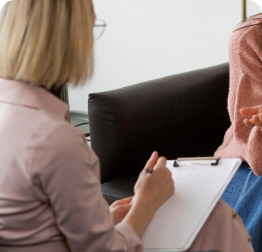
One-on-one sessions with a licensed therapist allow you to explore the root causes of
compulsive spending.
Group Therapy
Participating in group sessions provides peer support and reduces feelings of isolation.
Holistic Therapies
Holistic practices such as mindfulness, meditation, and art therapy are integrated into your
programme to support emotional
Aftercare
Post-treatment support is crucial for maintaining progress. Aftercare plans include continued
counseling, relapse prevention strategies
Start your confidential consultation
It’s time to redefine your values and your needs… and reconnect with your inner self.
When you join us on this transformative journey, you will finally regain your life energy and let go of the habits that have taken you to a place you do not want to be. We look forward to helping you or a loved one make the first steps on the road to recovery.