Video games are a global multibillion-dollar industry, enjoyed on consoles, PCs, tablets, and smartphones. Millions of people around the world play them regularly. For some, particularly young people, gaming can go beyond entertainment and develop into an addiction.
While playing video games is a common hobby, it can become problematic when it turns into a compulsive habit. Video game addiction happens when gaming starts to dominate a person’s life, interfering with work, school, relationships, or daily responsibilities.
People struggling with this addiction may feel restless, irritable, or anxious when they cannot play, and their thoughts may revolve constantly around gaming. When the addiction primarily involves online gaming.
How Gaming Addiction Affects Health and Daily Life
Changes
in Weight
Excessive gaming often involves sitting still for long periods.
Physical
Strain
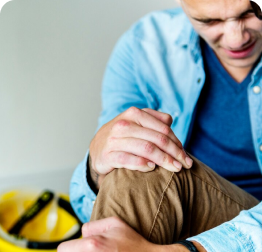
Hours spent in the same position—holding a controller or keyboard—can take a toll on the body.
Sleep
Disruption
Gaming late into the night is common among those struggling with addiction.
Treatment Options for Gaming Addiction
One-to-One Therapy
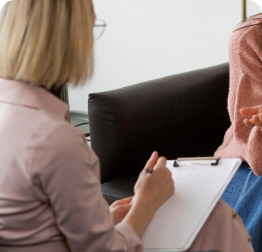
In individual therapy, you’ll work closely with a qualified therapist in private sessions designed to uncover what’s driving your gaming addiction and the challenges that come with it.
Group Therapy
Group therapy brings individuals together in a supportive, therapist-led setting where everyone has the opportunity to share, listen, and learn from one another
Holistic Therapies
Holistic therapies are designed to support and enhance your recovery by nurturing the mind, body, and spirit alongside traditional treatment methods.
Aftercare
Recovery doesn’t end when treatment does — staying on track after leaving residential care is essential. Once you return to your everyday environment, you may encounter triggers, stress, or old habits that can challenge your progress.
Start your confidential consultation
It’s time to redefine your values and your needs… and reconnect with your inner self.
When you join us on this transformative journey, you will finally regain your life energy and let go of the habits that have taken you to a place you do not want to be. We look forward to helping you or a loved one make the first steps on the road to recovery.