
Abusing prescription medications — including painkillers, sedatives, and stimulants — can quickly lead to dependency and serious health complications. Long-term misuse may result in organ damage, cognitive difficulties, and emotional instability. Early intervention is essential to prevent lasting consequences.
Holistic therapies, including meditation, yoga, and sound therapy, support both physical and emotional recovery. Individual counseling helps patients identify triggers and develop effective coping strategies, while family education programs strengthen support networks and promote lasting recovery.
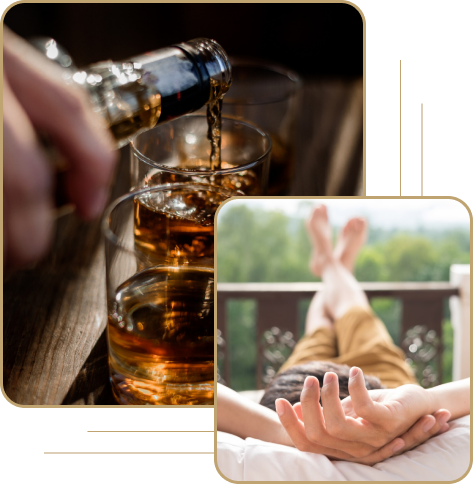
Individual counseling helps patients identify triggers and develop effective coping strategies, while family education programs strengthen support networks and promote lasting recovery.
Individuals misusing prescription drugs may display behavioral signs such as taking money to buy drugs, lying to healthcare providers to obtain prescriptions, or neglecting responsibilities at home, school, or work. Physical and psychological symptoms are also important to recognize and may include disrupted sleep patterns, irritability, weight changes, a disheveled appearance, mood swings, and heightened anxiety or depression.
Clinical guidelines, such as those provided by the NHS, are designed to minimize prescription drug misuse—for example, benzodiazepines are recommended for short-term use of 2–4 weeks. However, long-term prescribing remains common in the UK, increasing the risk of dependence and abuse.
Other risk factors include a history of substance use disorders, as individuals with past addictions (e.g., to alcohol or heroin) are more likely to misuse prescription drugs. Additionally, coexisting psychiatric conditions, such as depression or anxiety, can heighten the likelihood of medication misuse.
Long-term prescription drug addiction can lead to serious health complications. Since these medications are processed by the liver or kidneys, prolonged misuse can cause organ damage. High doses, particularly of opioids and other depressants, increase the risk of fatal overdose due to respiratory depression, a condition where breathing becomes slow and ineffective.
Additionally, individuals struggling with prescription drug addiction are at higher risk of developing co-occurring mental health disorders, further perpetuating the cycle of addiction and complicating recovery.
Several signs may indicate that someone is under the influence of opioids. Some of the signs of opioid use are:

Physical Signs
Common signs include constricted pupils, lowered heart rate and blood pressure, nausea, diarrhea or constipation, and changes in sleep patterns such as drowsiness or insomnia.

Behavioural Signs
Opioid use can also lead to noticeable behavioural changes. Individuals under the influence may slur their speech, experience irritability or aggression, and display drowsiness.
The Most Commonly Misused Prescription Drugs
A 2014 study found that Great Britain had the highest rate of non-medical prescription drug use among five EU countries studied.

Gabapentinoids
Pregabalin and Gabapentin, known as gabapentinoids, are primarily prescribed to treat seizures and nerve pain. In recent years, cases of gabapentinoid misuse have steadily increased.
Detoxification is the process of safely removing drug byproducts from the body. It is an effective method for clearing addictive substances and managing withdrawal symptoms, which carry a high risk of relapse if left untreated. The entire detox process is conducted under medical supervision to ensure both safety and effectiveness.
Behavioural therapies aim to identify harmful behaviours and triggers associated with prescription drug addiction while helping individuals develop effective coping strategies. These therapies are action-oriented, focusing on changing unhealthy thought patterns and behaviours to prevent relapse. Techniques such as talk therapy empower individuals to regain control of their lives and build healthier, more balanced versions of themselves.
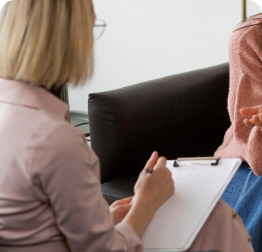
Our counselling services are tailored to each individual’s needs, addressing the underlying emotional and psychological factors that contribute to addiction while strengthening support networks. Counselling can be provided on a one-on-one basis or in group settings. Individual counselling focuses on developing healthier coping strategies, while group counselling fosters connection, shared experiences, and mutual support among participants.
Medication-Assisted Therapy (MAT) combines the use of medications with counseling and behavioral therapies to treat prescription drug addiction. For individuals dependent on prescription opioids, medications such as buprenorphine and naltrexone can be used. These drugs work by blocking the effects of opioids in the brain, reducing withdrawal symptoms, and helping to manage cravings, supporting a safer and more effective recovery process.
Pain is a natural part of life, and opioids can provide relief for those experiencing severe discomfort. However, these medications can also lead to a different kind of pain—addiction. It doesn’t have to control your life.
It’s time to redefine your values and your needs… and reconnect with your inner self.
When you join us on this transformative journey, you will finally regain your life energy and let go of the habits that have taken you to a place you do not want to be. We look forward to helping you or a loved one make the first steps on the road to recovery.